

Evidence-based research on Nova Scotia’s subsurface energy potential
The Project
The Government of Nova Scotia has engaged Dalhousie University to oversee the Subsurface Energy Research and Development Investment Program. Dalhousie’s involvement will help in understanding the potential for natural gas production in Nova Scotia and community readiness.

Call for Participation
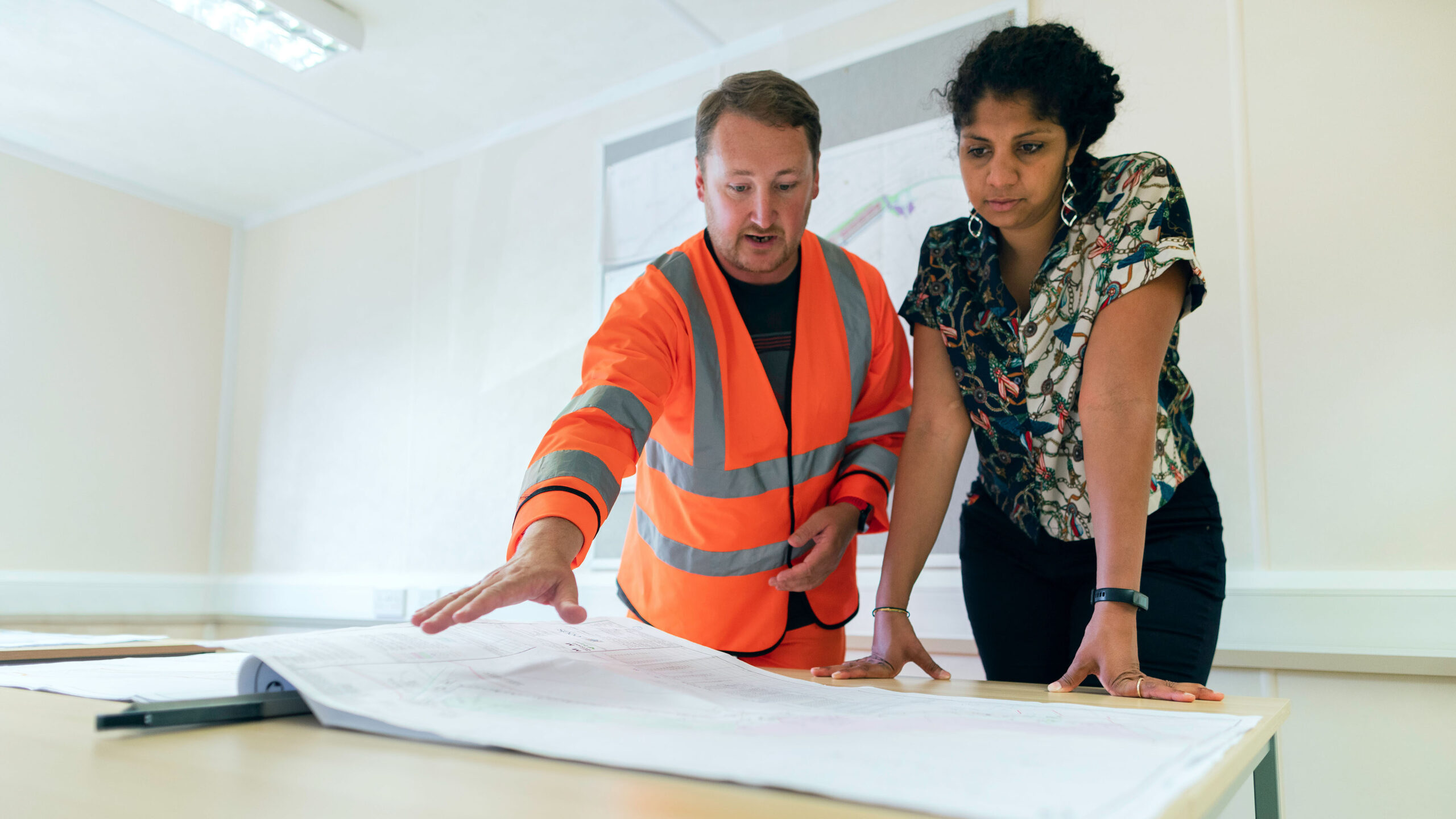
Dalhousie University invites industry participants (“Proponents”) to join a collaborative research and development program focused on Nova Scotia’s onshore energy resources. Proponents will contribute scientific and operational data to support geological modelling, technology evaluation, and environmental assessment. Key activities include exploratory drilling, flow testing, and production analysis.
Did you know?
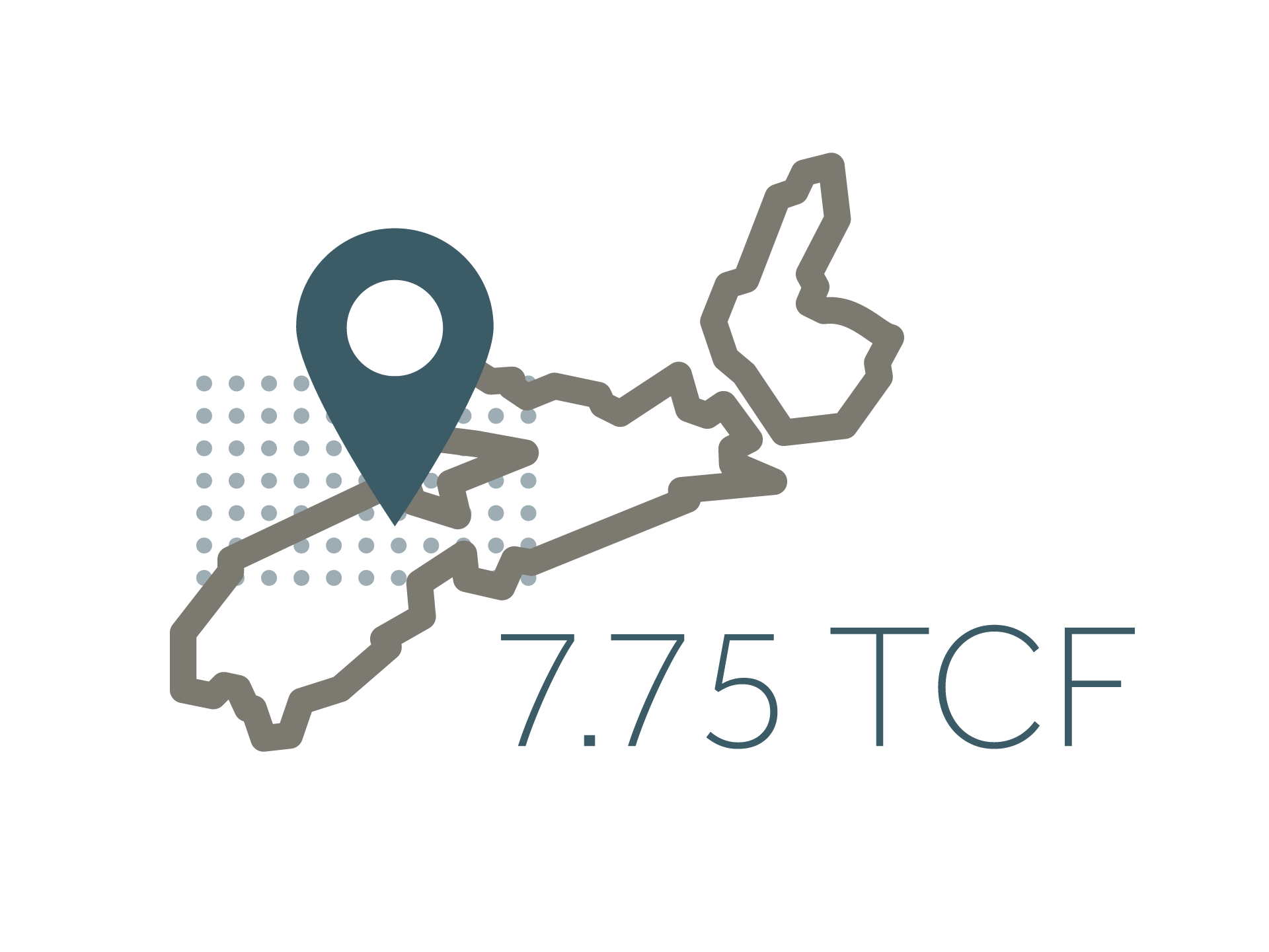
Within the Horton Bluff Formation (shale) in Nova Scotia, there is up to 7.75 TCF of natural gas that could be produced. 1
- This natural gas is located between about 1-2km below the surface
- This natural gas is primarily located in the areas of Cumberland County (Cumberland Subbasin) and Windsor–Hantsport–Walton (Windsor Subbasin)
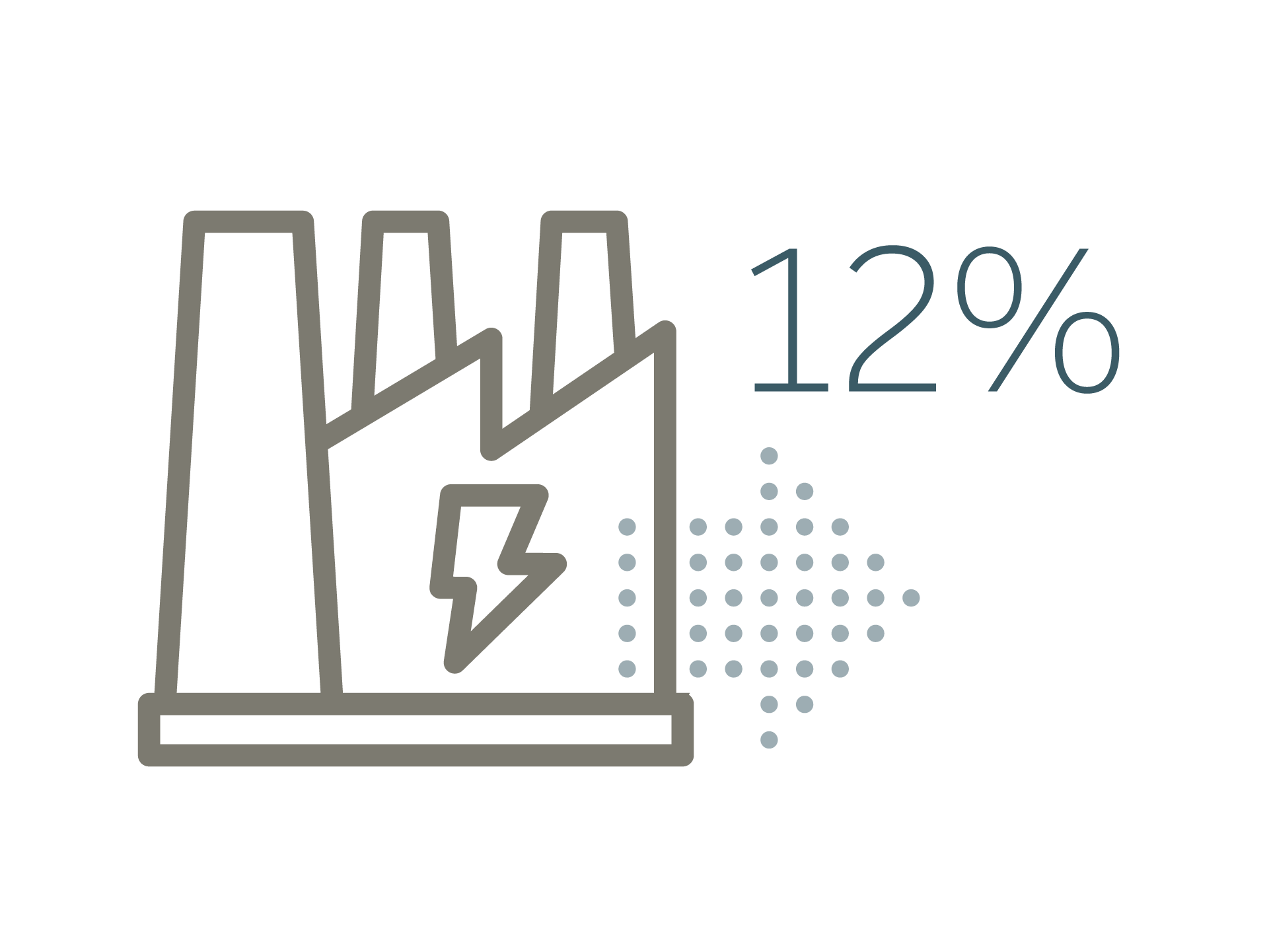
In Q3 of 2025, 12% of the energy used in Nova Scotia came from Natural Gas, 2% came from oil and 36% came from coal/petcoke. 2
- NS relies on natural gas imported from the United States, with some sourced indirectly from western Canada through the United States. 3
- According to Nova Scotia Power, most of the coal used is sourced from international markets.
Nova Scotia Power generates about 8.5 TWh of electricity per year. 4
Based on this, the estimated natural gas in the Horton Bluff Formation (shale) could meet the province’s entire (100%) energy needs for up to 275 years.
Taking into account both CO2 and methane emissions, on average, switching from coal to gas reduces emissions by 50% when producing electricity. 5
What is hydraulic fracturing?
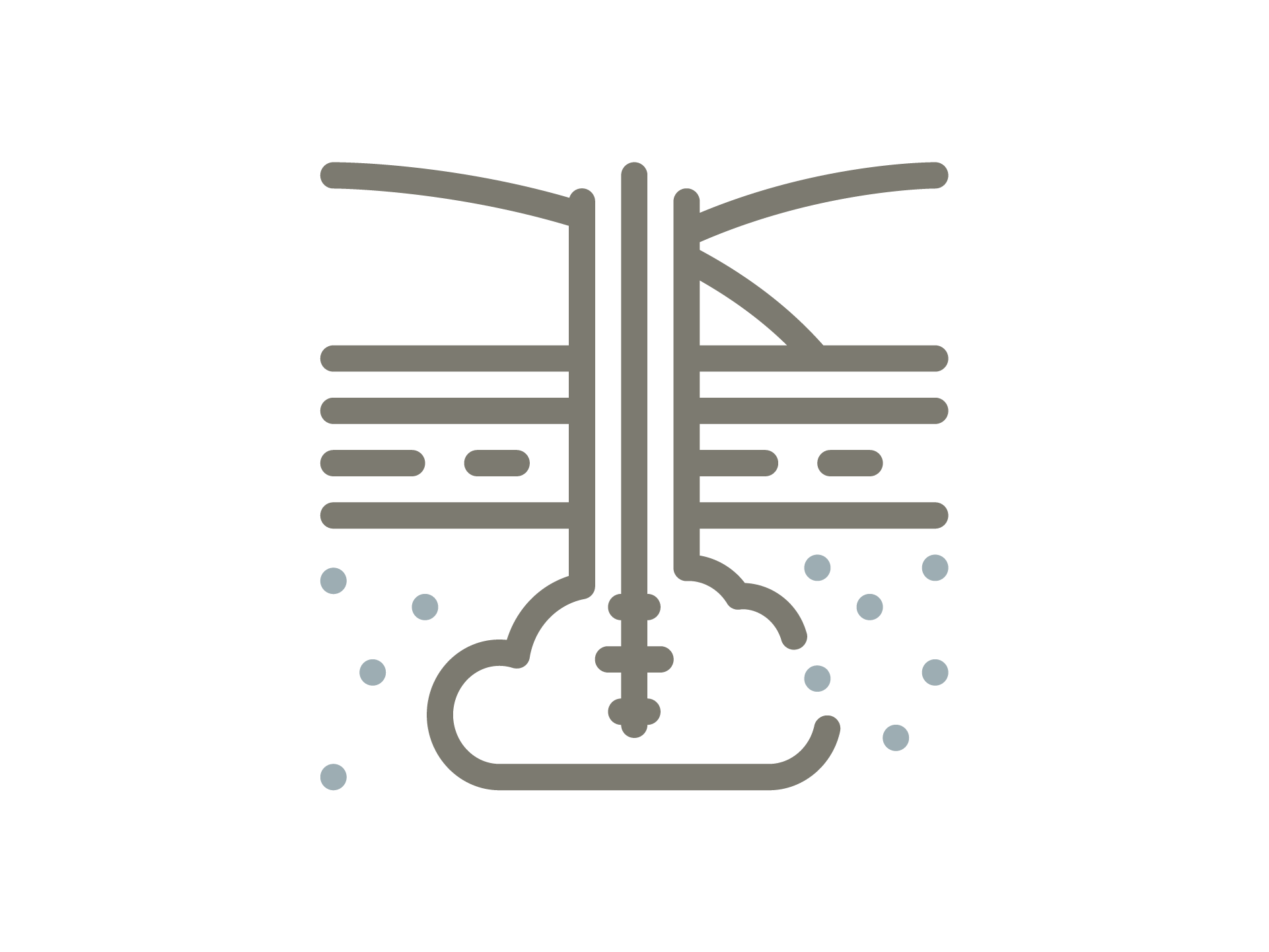
Natural gas doesn’t always move easily through tight rock such as shale, so operators sometimes create small pathways to help it flow into a well. This is done by pumping a mixture of water, sand, and a small amount of additives into the well at high pressure. The pressure opens tiny cracks in the rock, and the sand stays behind to hold those cracks open once pumping stops, allowing the gas to move more freely to the surface. The hydraulic fracturing process on a well typically lasts from one to three days. The entire process for both preparation and testing after hydraulic fracturing can last several weeks. 6
Looking for more information about Onshore Natural Gas and hydraulic fracturing?
Timeline
| February 2026 | Call for participation | |
| April 2026 | Dalhousie undertakes Public, Stakeholder & First Nations Engagement Proponents selected | |
| May 2026 | Exploration agreements negotiated | |
| June 2026 | Site selection confirmed | |
| July 2026 | Permitted exploratory drilling begins | |
| Sept/Oct 2026 | Completion of initial exploration drilling program | |
| December 2026 | Final report submitted to the Province |
Oversight Committee
Technical Oversight Committee
Michelle Martin, M.Sc, P. Geo
Program Manager (Chair)
Karl Caldwell, P.Eng, Operations Engineer, NS Dept of Energy
Department of Energy Representative
Fraser Keppie, Manager, Resource Evaluation and Innovation Division
Department of Energy Representative
Phil Knoll (formerly Board of Directors, AltaGas, Eastward Energy)
Industry Representative
Wayne Hiller, Modern West Advisory
Industry Representative
Edwin MacDonald, Senior Geologist, Windsor Salt
GeoScientist
Tracey Mossman, StaySail Consulting
Technical Consultant (non-voting)
Recent News
-
N.S. group calls on Dalhousie to release agreements for gas exploration program
A group concerned about the potential risks of hydraulic fracturing… Read more
-
Former N.S. university head questions natural gas partnership
Dalhousie University is taking on risk by leading a research… Read more
-
Nova Scotia searching for onshore deposits that ‘yield productive oil and gas’ with $30-million research program
The Nova Scotia government is launching a $30-million research program… Read more
Frequently Asked Questions
Dalhousie is the largest research institution in Atlantic Canada, and one of the largest organizations in Nova Scotia, it has both the administrative capacity and the research expertise to undertake the project in a timely manner.
The Province of Nova Scotia required external support for this work, and they asked Dalhousie to help.
As a research university, Dalhousie values opportunities to advance knowledge with partners and to have research inform public policy and support decision making. As Nova Scotia’s flagship university, Dalhousie is committed to serving the people of this province.
Dalhousie has been asked to administer $30M from the Province to:
Administer the research and engagement initiatives ($5.7M) including undertaking research to determine baseline infrastructure, environmental, etc. data; providing expert opinion on exploration and research findings in a report to the Province; and engaging with communities/public as needed in respect of the project.
- Administer a $24.3M reimbursement program for participating firms.
- Administer the research and engagement initiatives ($5.7M) including undertaking research to determine baseline infrastructure, environmental, etc. data; providing expert opinion on exploration and research findings in a report to the Province; and engaging with communities/public as needed in respect of the project.
The budget for this program is $30,000,000, which the university will use to administer the program and all operations. The university is not being paid.
Dalhousie’s Vice President Research and Innovation (VPRI) has accountability for the delivery of this project and will be supported by a Project Manager and advised by an Oversight Committee, a Management Committee, and Technical Advisory Committee.
Dalhousie and other Nova Scotia university researchers will establish key environmental, geological, and infrastructure baselines to inform evidence‑based decisions about future development. This includes groundwater and methane monitoring, seismic conditions, and transport infrastructure needs.
Researchers will assess the findings of exploratory drilling and community readiness research and provide expert opinion to the Province in the form of a report.
Dalhousie will oversee public and stakeholder engagement with particular focus on research and the exploratory drilling program, including through its relationships with First Nations.
Formal consultations and engagement required as part of the regulatory framework will follow its own process with the Province taking the lead on consultation with Mi’kmaq on any decision that could impact their treaty rights.
The first step for projects will be to drill new exploration wells. While stimulation activities like hydraulic fracturing are eligible under the program, those techniques are not part of the drilling exploration wells and any applications to do this would come later in the process. Any activity conducted as part of the program would be related to this exploratory phase. The findings would be intended to inform any potential future production phases.
Nova Scotia has enough onshore natural gas to meet our needs for 200 years, and yet we currently import all our natural gas from or through the U.S., exposing the province to market volatility, supply chain constraints, and exchange‑rate risk.
These realities point to the need to understand Nova Scotia’s own subsurface resources, to make informed, evidence‑based energy and climate decisions.
One of the outcomes of this program will be updated geological, environmental, and emissions data to inform policy decisions for developing this resource.Nova Scotia’s Onshore Petroleum Atlas (2017) mapped potential resources, but it does not answer the key technical question: Is the gas recoverable?
Dalhousie will provide the Final Report to the Province. The Province will determine next steps.
Any provincial revenue earned will be partially, but disproportionately, reinvested in the surrounding local municipalities based on proximity.
It is the responsibility of selected proponents to negotiate access agreements with landowners for any activity on privately owned land. No exploration activity can take place without confirmation of landowner permission.